

Our Design and Technology curriculum enables pupils to develop technical knowledge and skills through meaningful, real-life contexts. The curriculum encourages pupils to consider the impact of design and food technology in the modern world and for the future, fostering independence, creativity, and critical thinking. Through this approach, children learn to question, innovate, and apply their ideas thoughtfully to solve problems in a rapidly changing world.
Early Years in Design and Technology (Key foundational knowledge)
Design and Technology in the Early Years is mainly taught through ‘Expressive Arts and Design’ and ‘Physical Development’.
The EYFS Framework states:
Expressive Arts and Design
The development of children’s artistic and cultural awareness supports their imagination and creativity. It is important that children have regular opportunities to engage with the arts, enabling them to explore and play with a wide range of media and materials. The quality and variety of what children see, hear and participate in is crucial for developing their understanding, self-expression, vocabulary and ability to communicate through the arts. The frequency, repetition and depth of their experiences are fundamental to their progress in interpreting and appreciating what they hear, respond to and observe.
Physical Development
Fine motor control and precision helps with hand-eye co-ordination, which is later linked to early literacy. Repeated and varied opportunities to explore and play with small world activities, puzzles, arts and crafts and the practice of using small tools, with feedback and support from adults, allow children to develop proficiency, control and confidence.
The table below outlines the aspects of the Elevate EYFS Curriculum that feed into our Design and Technology curriculum progression:
|
Reception (4-5 year olds) |
Early Learning Goals |
|
|
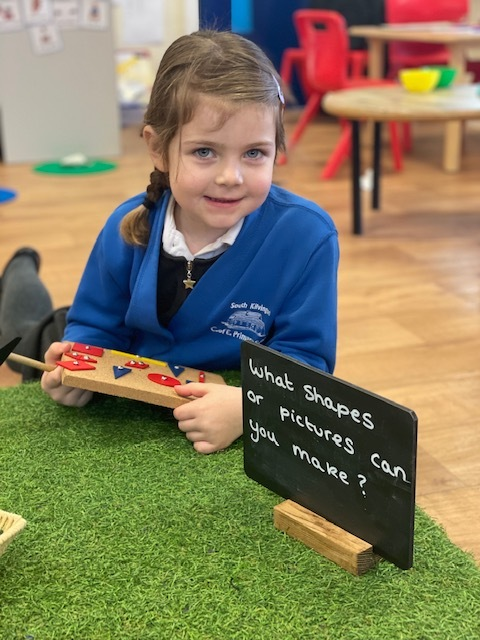
Creating with Materials Uses tools for a purpose. Join different materials. Describe the texture of different materials. Stack blocks horizontally and vertically to create spaces and make enclosures; both on a large scale outside whilst den building or a smaller scale inside, for small world toys. Uses their increasing knowledge and understanding of tools and materials to explore their interests and enquiries and develop their thinking. Develops their own ideas through experimentation with diverse materials, e.g. light, projected image, loose parts, watercolours, powder paint, to express and communicate their discoveries and understanding. Safely use and explore a variety of materials, tools and techniques, experimenting with colour, design, texture, form and function. Share their creations, explaining the process they have used Explore, use and refine a variety of artistic effects to express their ideas and feelings. Create collaboratively sharing ideas, resources and skills. Return to and build on their previous learning, refining ideas and developing their ability to represent them. |
ELG: Creating with Materials Safely use and explore a variety of materials, tools and techniques, experimenting with colour design, texture, form and function;
Share their creations, explaining the process they have used;
|
|
|
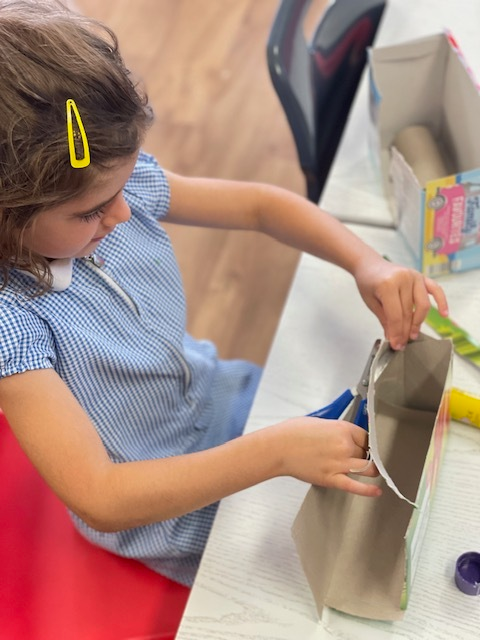
Fine motor skills Beginning to gain more control of tools such as scissors, hammers and spades. Use one handed tools and equipment, eg making snips in paper with scissors. Developing accuracy with small tools such as scissors and hammers. Use a range of small tools, including scissors, paint brushes and cutlery. Begin to show accuracy and care when drawing. |
ELG: Fine motor skills Begin to show accuracy and care when drawing
Hold a pencil effectively in preparation for fluent writing- using the tripod grip in almost all cases
Use a range of small tools, including scissors, paint brushes and cutlery |
|
|
Vocabulary Build create size tall small hard soft stack balance stable secure structure flexible rigid darker lighter material |
||